
Introduction
Labour is one of the most valuable resources in the world. Every product, service, and development project depends on the skills and efforts of workers. From farmers and builders to engineers and technology experts, different types of labour contribute to the growth of societies and economies.
The price of labour, often called wages or salaries, varies across countries, industries, skill levels, and experience. Some jobs require physical strength, while others require advanced education, training, or specialized skills. Understanding the different types of labour and their prices helps us recognize the importance of workers and the value of their contributions.
What Is Labour?
Labour refers to the physical and mental efforts people provide to complete tasks and produce goods or services. It is an essential part of economic activity because businesses, governments, and communities depend on workers to function.
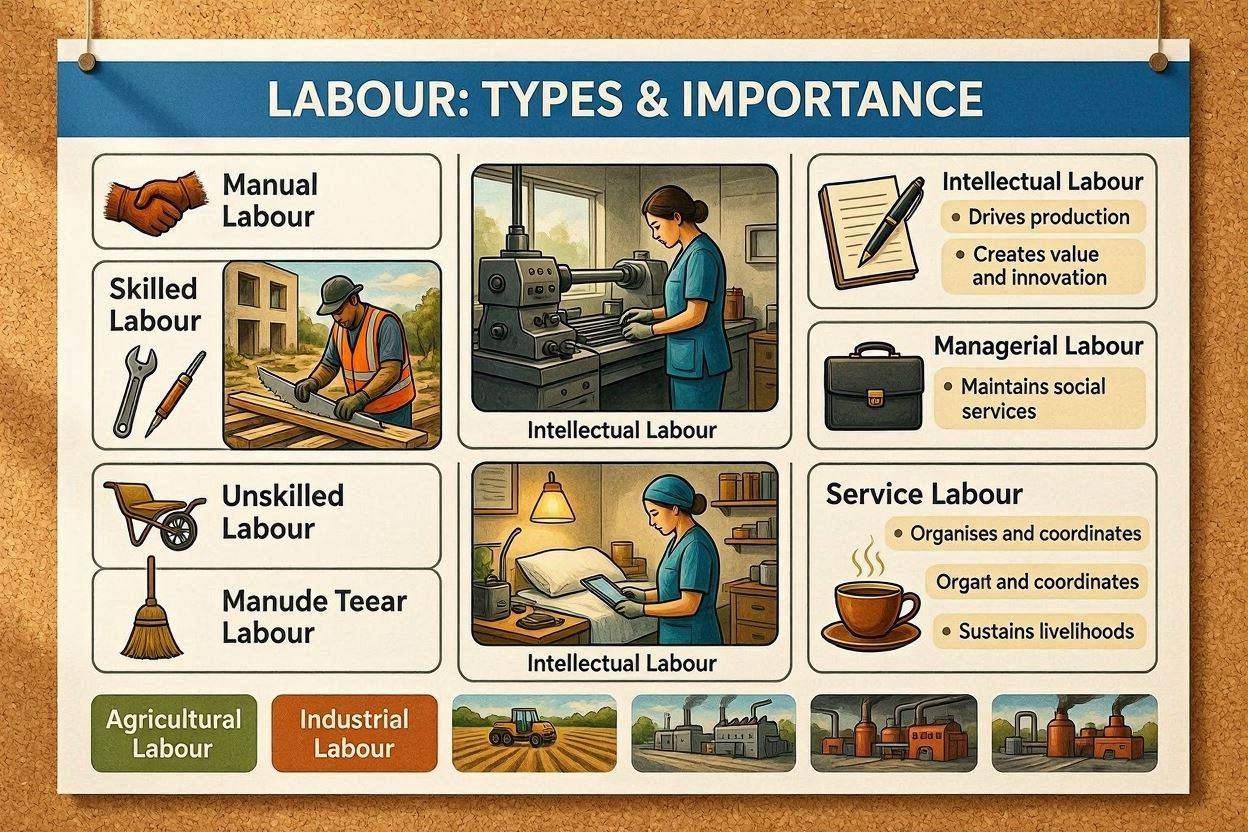
Labour is generally divided into different categories based on skills, responsibilities, and the nature of work.
1. Unskilled Labour
Unskilled labour includes jobs that usually require little formal education or specialized training. These workers often perform tasks that depend mainly on physical effort and basic skills.
Examples of unskilled labour include:
Cleaners
Farm helpers
Construction helpers
Loaders and warehouse workers
General labourers
The price of unskilled labour varies greatly around the world. In developing countries, daily wages may be lower because of differences in living costs and employment opportunities. In developed countries, unskilled workers may earn higher wages due to stronger labour laws and higher standards of living.
2. Semi-Skilled Labour
Semi-skilled labour requires some training, experience, or technical knowledge. These workers perform tasks that need more ability than basic labour but may not require advanced education.
Examples include:
Drivers
Machine operators
Electric assistants
Office support workers
Skilled farm workers
Semi-skilled workers usually earn more than unskilled workers because their training and experience increase their productivity. Their wages depend on their profession, location, and level of expertise.
3. Skilled Labour
Skilled labour involves workers who have specialized training, technical knowledge, or professional experience. These workers are important in industries that require accuracy and expertise.
Examples include:
Electricians
Plumbers
Mechanics
Welders
Carpenters
Technicians
Skilled workers often receive higher wages because their abilities are valuable and their work requires years of practice. In many countries, skilled trades are in high demand and can provide strong career opportunities.
4. Professional Labour
Professional labour includes careers that require higher education, advanced training, and specialized knowledge. These workers contribute through research, management, healthcare, education, and technology.
Examples include:
Doctors
Engineers
Lawyers
Teachers
Scientists
Accountants
Professional labour is usually among the highest-paid forms of work. However, salaries differ depending on qualifications, experience, industry, and country.
5. Technical and Digital Labour
The growth of technology has created new types of labour in the digital world. These professions require computer skills, creativity, and technical expertise.
Examples include:
Software developers
Data analysts
Cybersecurity specialists
Digital designers
Artificial intelligence specialists
Digital labour has become highly valuable because businesses worldwide depend on technology. Many technology professionals earn competitive salaries, especially those with advanced skills and international experience.
Factors That Affect Labour Prices
The price of labour is influenced by several important factors:
1. Skill Level
Workers with higher skills and specialized knowledge usually earn higher wages because their expertise is more difficult to replace.
2. Experience
Experienced workers often receive better pay because they have developed stronger abilities and can complete tasks more efficiently.
3. Location
Labour prices differ between countries and regions. Workers in large cities or developed economies often earn higher wages compared to those in areas with lower living costs.
4. Demand for Workers
When a profession is in high demand and there are fewer qualified workers available, wages often increase.
5. Education and Training
Jobs requiring advanced education, certifications, or professional training usually offer higher salaries.
Labour Prices Around the World
Labour costs are different in every country. Developed economies generally have higher wages because of stronger economies, higher living expenses, and better worker protections. Developing countries may have lower labour costs but can offer competitive advantages for certain industries.
For example:
Construction workers may earn different wages depending on the country's economy and demand for building projects.
Technology professionals often receive high salaries because their skills are needed worldwide.
Agricultural workers' earnings depend on crop prices, land conditions, and farming systems.
The Importance of Fair Labour Prices
Fair wages are important for improving workers' quality of life and supporting economic growth. When workers receive fair payment, they can better support their families, access education, and contribute to their communities.
Businesses also benefit from fair wages because satisfied workers are usually more productive and motivated. Protecting workers' rights and ensuring safe conditions create a healthier economy.