
Introduction
Every worker deserves to understand their rights in the workplace. Whether you are employed full-time, part-time, working on a contract, or earning through skilled labor, knowing your legal protections can help you make informed decisions and address unfair treatment.
Labor laws vary by country and region, but many basic worker protections exist worldwide. Understanding these rights can help you create a safer, fairer, and more respectful working environment.
1. The Right to Fair Pay
One of the most important workplace rights is the right to receive fair compensation for your work. Workers should be paid according to applicable wage laws, employment agreements, and industry standards.
This includes:
Receiving agreed wages on time
Understanding salary deductions
Being paid for overtime when required by law
Knowing how wages are calculated
Keeping records of hours worked and payments received can help protect you if a wage dispute occurs.
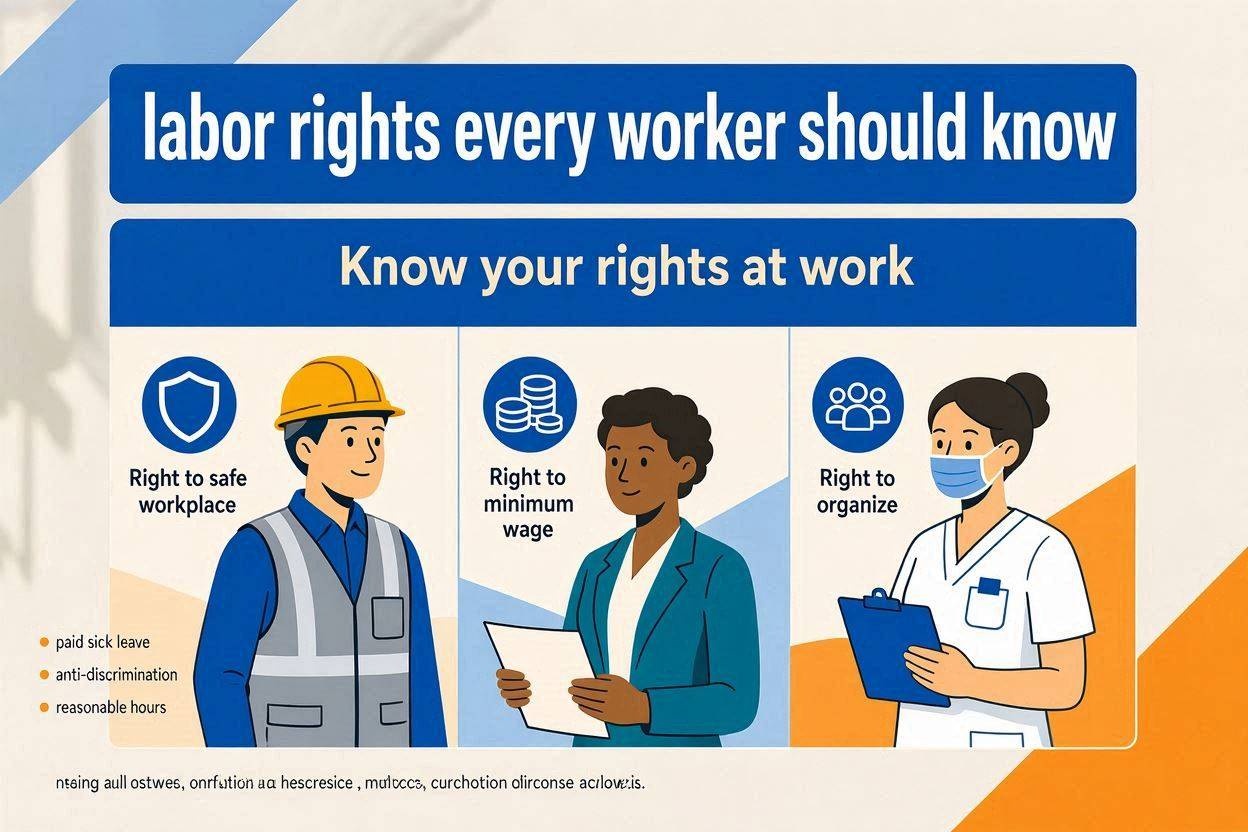
2. The Right to a Safe Workplace
Every worker has the right to work in an environment that protects their health and safety. Employers are generally responsible for reducing workplace hazards and providing necessary safety measures.
A safe workplace may include:
Proper training
Protective equipment
Safe tools and machinery
Clear emergency procedures
Protection from dangerous conditions
Workers should report unsafe situations through appropriate channels.
3. The Right to Be Treated Fairly
Employees have the right to respectful treatment at work. A workplace should be free from harassment, discrimination, and unfair practices.
Fair treatment means workers should not face disadvantages because of protected personal characteristics under applicable laws, and employers should provide equal opportunities where required.
4. The Right to Know Employment Conditions
Workers should understand the terms of their employment before starting a job. Important details may include:
Job responsibilities
Working hours
Pay rate
Benefits
Leave policies
Workplace rules
A written employment agreement can help prevent misunderstandings between workers and employers.
5. The Right to Reasonable Working Hours and Rest
Many labor laws establish limits on working hours and provide protections related to breaks, rest periods, and overtime.
Workers should understand:
Their scheduled working hours
Overtime rules
Break entitlements
Weekly rest requirements
Healthy work schedules help prevent exhaustion and improve productivity.
6. The Right to Leave and Benefits
Depending on local laws and employment agreements, workers may be entitled to different types of leave and benefits.
These may include:
Sick leave
Vacation or annual leave
Maternity or parental leave
Medical benefits
Retirement or social security contributions
Knowing available benefits helps workers use the protections they have earned.
7. The Right to Organize
In many places, workers have the right to join together to discuss workplace concerns, negotiate conditions, or participate in worker organizations where legally permitted.
Collective action has historically helped improve:
Wages
Safety standards
Working conditions
Employee protections
8. The Right to Privacy at Work
Workers often have privacy protections regarding their personal information and certain workplace activities. Employers should handle employee data responsibly and follow applicable privacy rules.
Workers should understand how their personal information is collected, stored, and used.
9. The Right to Report Problems Without Fear
Workers should be able to raise concerns about workplace issues through proper channels. Many legal systems provide protections against retaliation for reporting certain violations.
Issues that may need reporting include:
Unsafe working conditions
Wage violations
Harassment
Discrimination
Illegal workplace practices
10. The Importance of Knowing Local Labor Laws
Because labor rights differ by location, workers should learn the specific rules that apply where they live and work. Government labor departments, worker organizations, and legal professionals can provide guidance when questions arise.
How Workers Can Protect Their Rights
Workers can take practical steps to protect themselves:
Keep copies of employment documents
Record working hours and payments
Understand workplace policies
Communicate concerns clearly
Seek advice when facing serious issues
Stay informed about labor law updates