
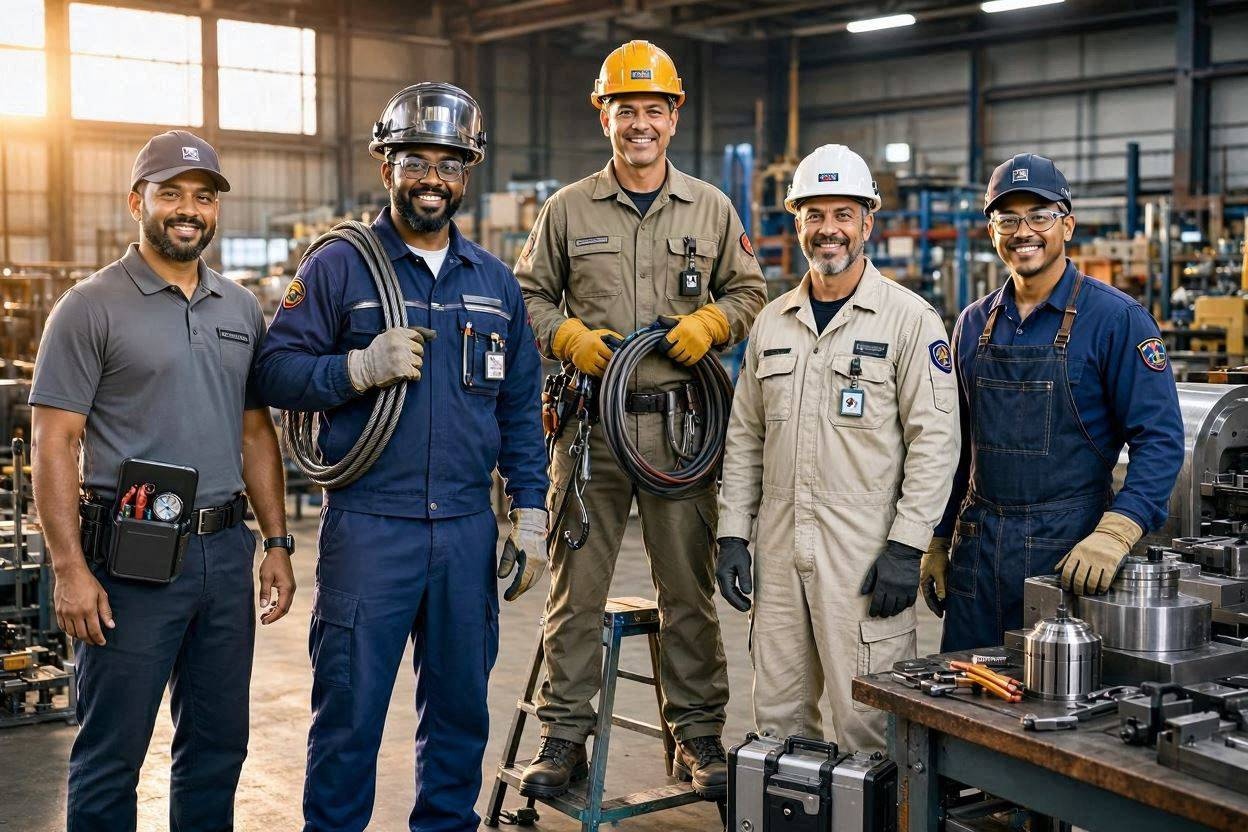
Introduction
Not every successful career requires a university degree. Many skilled trade jobs offer excellent salaries, strong job security, and opportunities for career growth. As industries continue to face labor shortages, the demand for qualified tradespeople is higher than ever.
If you're looking for a stable and well-paying career, this guide explores the highest paying skilled trades, expected salaries, required training, job outlook, and tips for choosing the right profession.
What Are Skilled Trades?
Skilled trades are occupations that require specialized practical training, technical knowledge, and hands-on experience. Workers usually learn through vocational schools, apprenticeships, technical institutes, or employer-sponsored training programs.
Unlike many office jobs, skilled trades focus on building, repairing, maintaining, installing, or operating equipment and infrastructure.
Examples include:
Electricians
Plumbers
Welders
HVAC technicians
Carpenters
Mechanics
Industrial maintenance technicians
Construction equipment operators
Why Choose a Skilled Trade Career?
A career in the skilled trades offers many advantages.
Benefits Include:
High earning potential
Strong job security
Lower education costs
Paid apprenticeships
Faster entry into the workforce
Opportunities for self-employment
High demand across multiple industries
Career advancement opportunities
Many skilled workers begin earning a full-time income much sooner than graduates pursuing traditional university degrees.
Top 10 Highest Paying Skilled Trades
1. Elevator and Escalator Installer & Repairer
Average Salary: $80,000–$120,000+ per year
These professionals install, repair, inspect, and maintain elevators, escalators, and moving walkways. The work requires advanced technical knowledge and strict adherence to safety standards.
Skills Needed:
Electrical systems
Mechanical repair
Troubleshooting
Safety compliance
2. Power Plant Operator
Average Salary: $70,000–$110,000 per year
Power plant operators monitor and control systems that generate electricity. They ensure equipment operates efficiently and safely.
Key Skills:
Equipment monitoring
Mechanical systems
Electrical knowledge
Emergency response
3. Industrial Electrician
Average Salary: $65,000–$100,000 per year
Industrial electricians install and maintain electrical systems in factories, manufacturing plants, and industrial facilities.
Responsibilities include:
Wiring installation
Motor controls
PLC systems
Preventive maintenance
4. Commercial Plumber
Average Salary: $60,000–$95,000 per year
Commercial plumbers install and repair water, drainage, and gas systems in businesses, hospitals, schools, and industrial facilities.
Demand remains strong due to ongoing construction and infrastructure projects.
5. HVAC Technician
Average Salary: $55,000–$90,000 per year
Heating, ventilation, and air conditioning (HVAC) technicians install and service climate control systems in homes, offices, and industrial buildings.
Specialists in commercial HVAC often earn significantly more.
6. Aircraft Maintenance Technician
Average Salary: $65,000–$110,000 per year
Aircraft mechanics inspect, repair, and maintain airplanes and helicopters to ensure passenger safety and regulatory compliance.
The aviation industry values highly trained technicians.
7. Boilermaker
Average Salary: $65,000–$100,000 per year
Boilermakers build and maintain boilers, pressure vessels, and large industrial tanks used in factories, power plants, and refineries.
This physically demanding career offers excellent earning potential.
8. Pipefitter
Average Salary: $60,000–$95,000 per year
Pipefitters install complex piping systems used in industrial facilities, power plants, manufacturing plants, and commercial buildings.
They often work with:
Steam systems
Gas pipelines
Industrial process piping
Chemical plants
9. Welder
Average Salary: $50,000–$90,000+ per year
Skilled welders are needed in construction, manufacturing, shipbuilding, automotive production, and energy industries.
Specialized welders, such as underwater or pipeline welders, can earn substantially higher incomes.
10. Construction Manager
Average Salary: $75,000–$130,000+ per year
Experienced tradespeople often advance into construction management roles, where they supervise projects, manage budgets, and coordinate teams.
Leadership experience can significantly increase earning potential.
Industries Hiring Skilled Trade Workers
Qualified tradespeople are in demand across many sectors, including:
Construction
Manufacturing
Oil and gas
Renewable energy
Transportation
Aerospace
Mining
Utilities
Telecommunications
Public infrastructure
Skills Employers Look For
Successful trades professionals often possess:
Technical Skills
Equipment operation
Blueprint reading
Electrical systems
Mechanical repair
Welding
Plumbing
HVAC systems
Industrial maintenance
Safety procedures
Soft Skills
Problem-solving
Communication
Time management
Teamwork
Adaptability
Attention to detail
Reliability
How to Start a Skilled Trade Career
Follow these steps to begin your career:
Choose a trade that matches your interests.
Complete high school or an equivalent qualification.
Enroll in a vocational or technical training program.
Join an apprenticeship.
Gain hands-on experience.
Earn industry certifications.
Continue learning new technologies.
Apply for higher-paying positions or start your own business.
Certifications That Can Increase Your Salary
Depending on your trade, certifications may include:
OSHA Safety Certification
Welding Certifications
HVAC Licensing
Electrical Licensing
Plumbing Certification
Forklift Certification
Industrial Maintenance Certification
Professional credentials often improve job opportunities and earning potential.
Future Outlook for Skilled Trades
Advances in technology are changing the skilled trades, but they are also creating new opportunities.
Growing fields include:
Renewable energy installation
Electric vehicle maintenance
Industrial automation
Robotics maintenance
Smart building systems
Solar energy installation
Wind turbine maintenance
Workers who keep their skills current will remain highly competitive.
Tips for Success in Skilled Trades
To build a successful career:
Prioritize workplace safety.
Learn from experienced professionals.
Develop multiple technical skills.
Stay updated with industry trends.
Earn additional certifications.
Build strong communication skills.
Maintain a reliable work ethic.
Seek leadership opportunities.
Continuous learning can open the door to supervisory roles or self-employment.