
Introduction
Hiring great employees is only half the challenge. Keeping them engaged, motivated, and committed is what drives long-term business success. High employee turnover can disrupt operations, reduce productivity, and increase recruitment and training costs. That's why organizations that prioritize employee retention often enjoy stronger team performance, better customer satisfaction, and sustained growth.
Employees stay with companies where they feel valued, supported, and given opportunities to grow. Retention isn't about a single initiative—it comes from creating a workplace where people can build meaningful careers and feel confident about their future.
Create a Positive Workplace Culture
A healthy workplace culture encourages collaboration, trust, and mutual respect. Employees who feel comfortable sharing ideas and communicating openly with managers are more likely to remain committed to the organization. Celebrating achievements, recognizing individual contributions, and fostering teamwork all contribute to a more engaged workforce.
Leadership also plays a significant role in shaping workplace culture. Managers who lead with transparency, empathy, and consistency help build stronger relationships with their teams, creating an environment where employees feel appreciated.
Offer Competitive Compensation and Benefits
Salary is an important factor in retention, but it's rarely the only reason employees stay. A well-rounded benefits package demonstrates that an organization values its workforce. Health insurance, retirement plans, paid leave, performance bonuses, and flexible work arrangements can significantly improve employee satisfaction.
Regularly reviewing compensation ensures that employees remain fairly rewarded as market conditions change. Businesses that invest in competitive pay are often better positioned to retain experienced professionals.
Invest in Career Development
Employees are more likely to stay when they can see a clear path for professional growth. Providing access to training programs, certifications, mentoring, and leadership development helps individuals expand their skills while preparing them for future opportunities within the organization.
Internal promotions not only motivate employees but also strengthen loyalty by showing that hard work and dedication are recognized.
Prioritize Work-Life Balance
Maintaining a healthy balance between work and personal life has become increasingly important. Excessive workloads and long hours can quickly lead to burnout, reducing both productivity and morale.
Organizations can support work-life balance by encouraging reasonable working hours, offering flexible schedules where possible, respecting personal time, and providing adequate paid leave. Employees who feel supported outside of work are generally more engaged while on the job.
Recognize and Reward Performance
Recognition remains one of the simplest yet most effective ways to improve employee retention. Acknowledging accomplishments—whether through verbal appreciation, awards, bonuses, or public recognition—reinforces positive performance and motivates employees to continue contributing at a high level.
Recognition should be timely, genuine, and consistent. Even small gestures of appreciation can have a lasting impact on employee morale.
Strengthen Communication Across the Organization
Open communication builds trust between employees and management. Team members should feel comfortable sharing concerns, asking questions, and providing feedback without fear of negative consequences.
Regular one-on-one meetings, employee surveys, and transparent leadership updates create opportunities for meaningful conversations while helping organizations identify issues before they become larger problems.
Focus on Employee Well-Being
Supporting employee well-being extends beyond physical safety. Mental health resources, wellness initiatives, stress management programs, and access to supportive managers all contribute to a healthier workplace.
Employees who feel cared for are more likely to remain loyal and maintain higher levels of productivity over time.
Hire the Right People from the Start
Retention begins during the recruitment process. Hiring candidates whose skills, values, and career goals align with the organization's culture reduces the likelihood of early turnover.
Clear job expectations, honest communication during interviews, and a structured onboarding process help new employees settle into their roles with confidence.
Encourage Feedback and Act on It
Employees appreciate knowing their opinions matter. Gathering feedback through surveys, performance discussions, and informal conversations provides valuable insights into workplace challenges and opportunities for improvement.
The most successful organizations don't just collect feedback—they act on it. Demonstrating that employee input leads to meaningful changes strengthens trust and engagement.
Build Strong Leadership
Employees often leave managers rather than companies. Effective leaders provide guidance, constructive feedback, and support while creating an environment where employees can succeed.
Investing in leadership development equips managers with the skills needed to inspire teams, resolve conflicts, and foster a culture of accountability and respect.
Make Retention a Long-Term Strategy
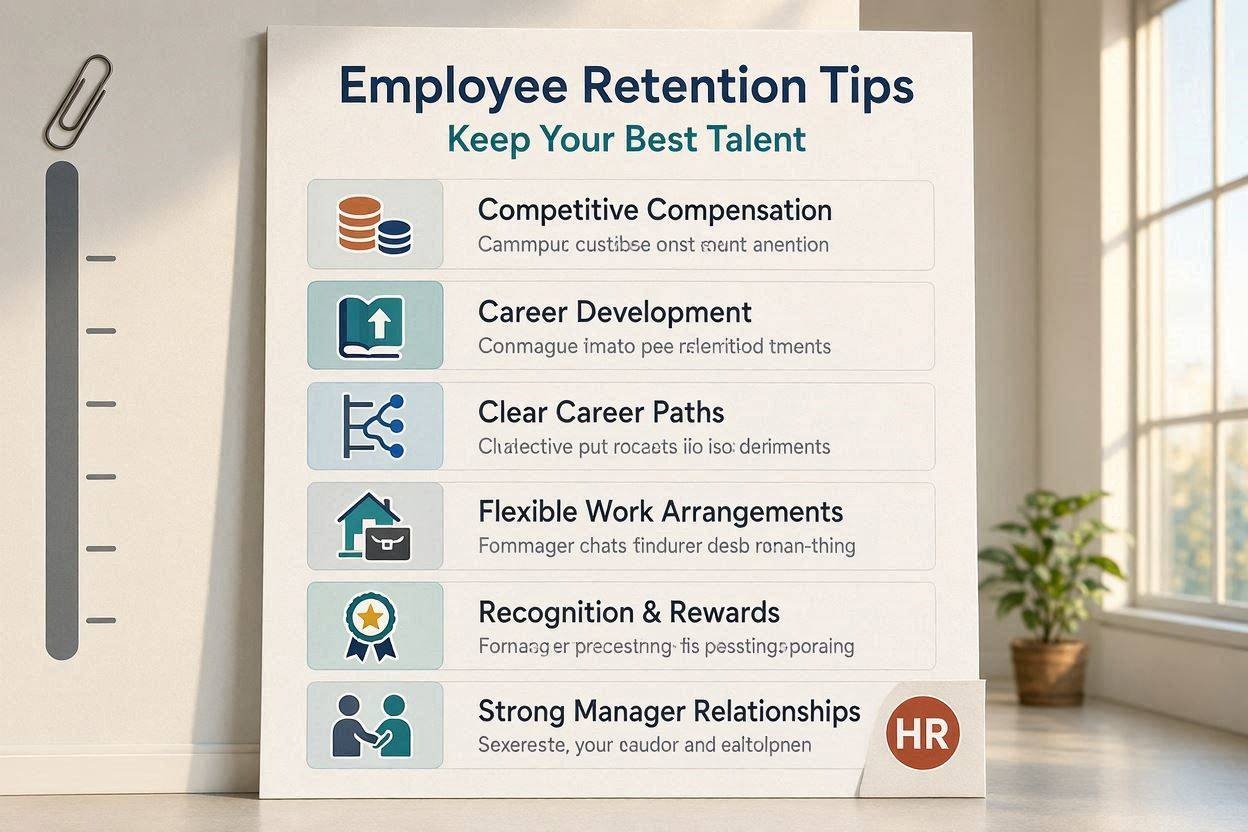
Employee retention is an ongoing process rather than a one-time initiative. Businesses that continuously invest in their people through competitive compensation, professional development, open communication, and a positive workplace culture create stronger, more resilient teams.
Retaining experienced employees reduces recruitment costs, preserves valuable institutional knowledge, and improves overall business performance. Organizations that place employees at the center of their long-term strategy are better positioned to adapt, innovate, and achieve sustainable growth in an increasingly competitive marketplace.